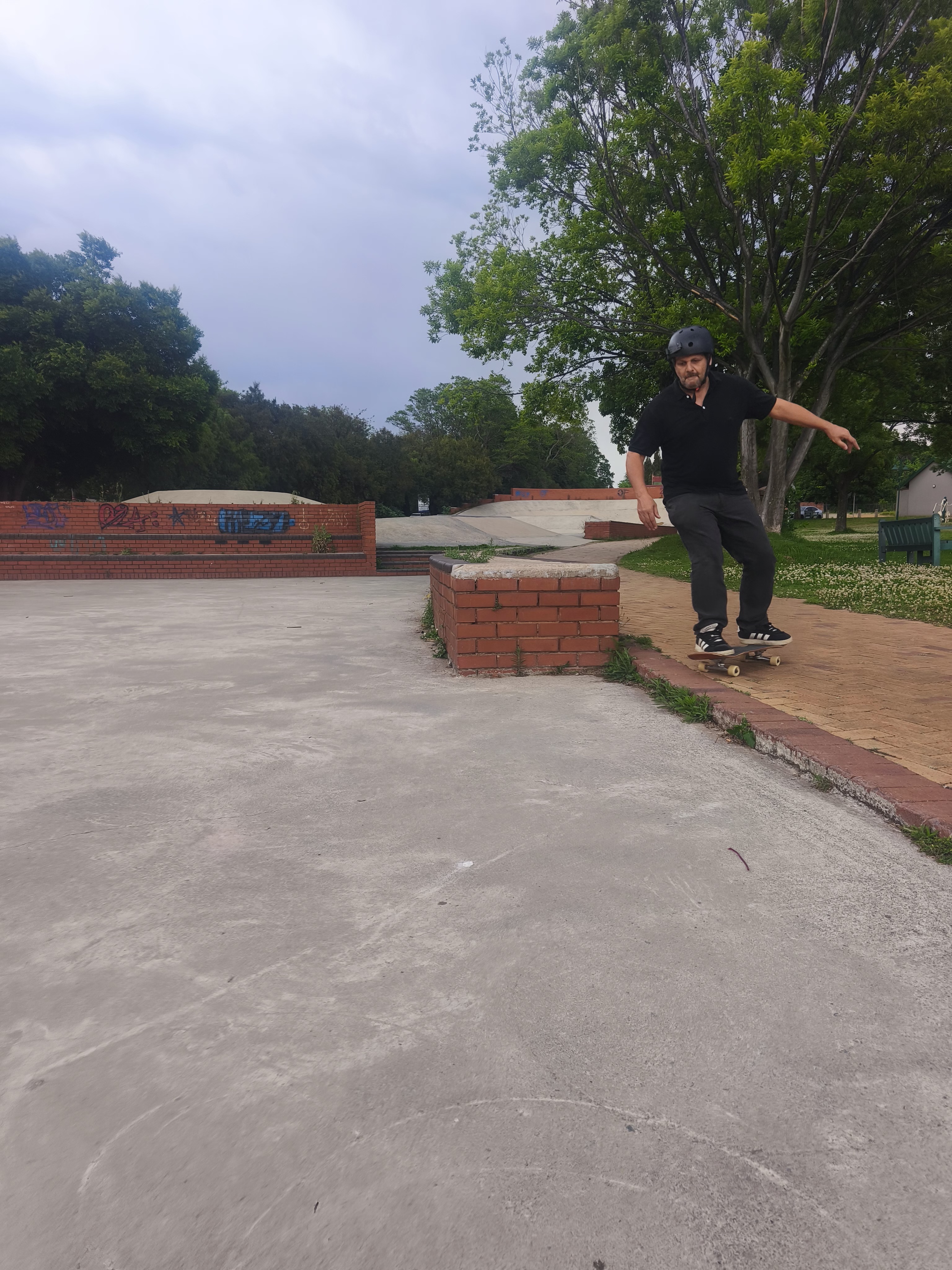
Welcome to the South African home of Innovation Skaters. I’m Raymond Koekemoer. I stepped onto a skateboard for the first time at age 50 right here in South Africa. This site shares my personal essays on learning to skate in midlife, my published books on hydration and daily rhythm after 50, and our upcoming range of adult skate hardware for local roads and parks.

Plain-spoken observations on learning to skate at 50, respecting the reaction-time gap, and what staying active at 54 has taught me about everyday hydration.
Stepping onto a board challenges reflexes used to walking speed. Here is what I noticed about the early danger window, aching foot and ankle muscles, and stopping a session before fatigue sets in.
Why a skateboard is like boxing gloves or ballet shoes: judging surface grip, transition angles, and wheel softness in real time to clear your head after a week of computer work.
Published on my companion site, The Hydrated Gut: personal notes on how skating in my fifties shaped the way I time fluids, warm meals, and rest.
Alongside my skateboarding notes, I write books under The Hydrated Gut Project for adults over 50. Each book stands on its own, and all are educational, not medical advice.
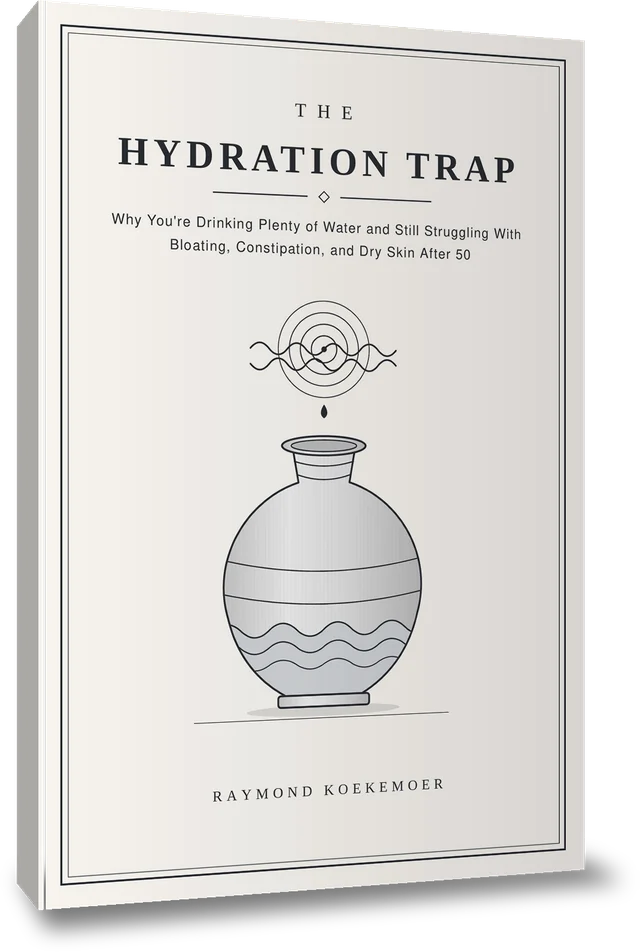
The book that starts the series. It looks at why more water does not always bring comfort after 50, and what warmth, timing, and a little gentle fat may change. It ends with a simple plan you build from your own observations.
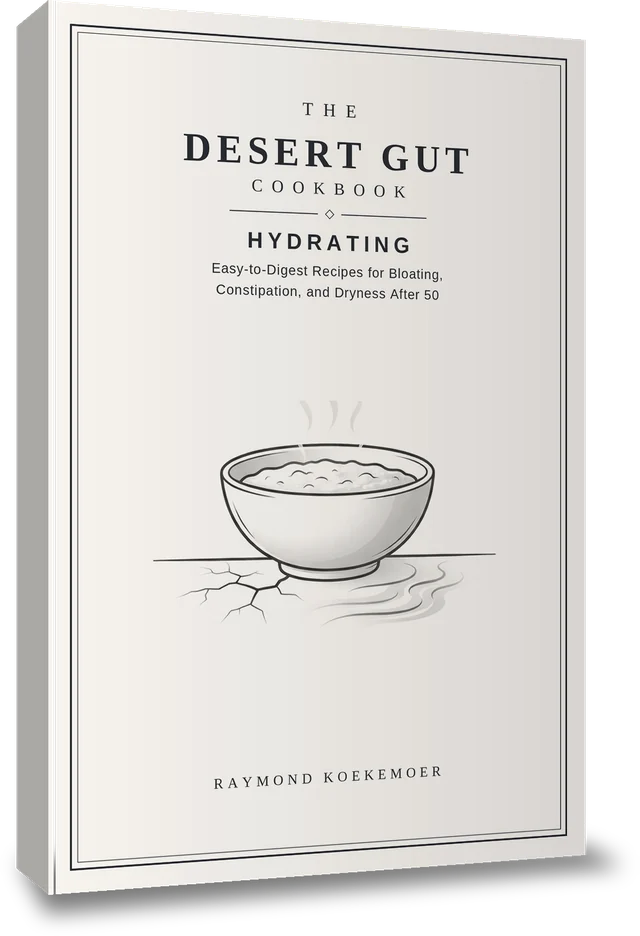
Eleven soft, warm recipes that put the moisture in the food, arranged around the day: morning, midday, evening, and a few sweet finishes. Every recipe has its own easing-in advice, label check, and safety notes.

Three signature recipes, one for each part of the day, and a simple way to shape meals around morning, midday, and evening.

A short, practical guide: how to read your body’s signals together, then three everyday levers—drinking earlier in the day, warming one meal, and settling the evening—with a sample day for each and clear safety notes.
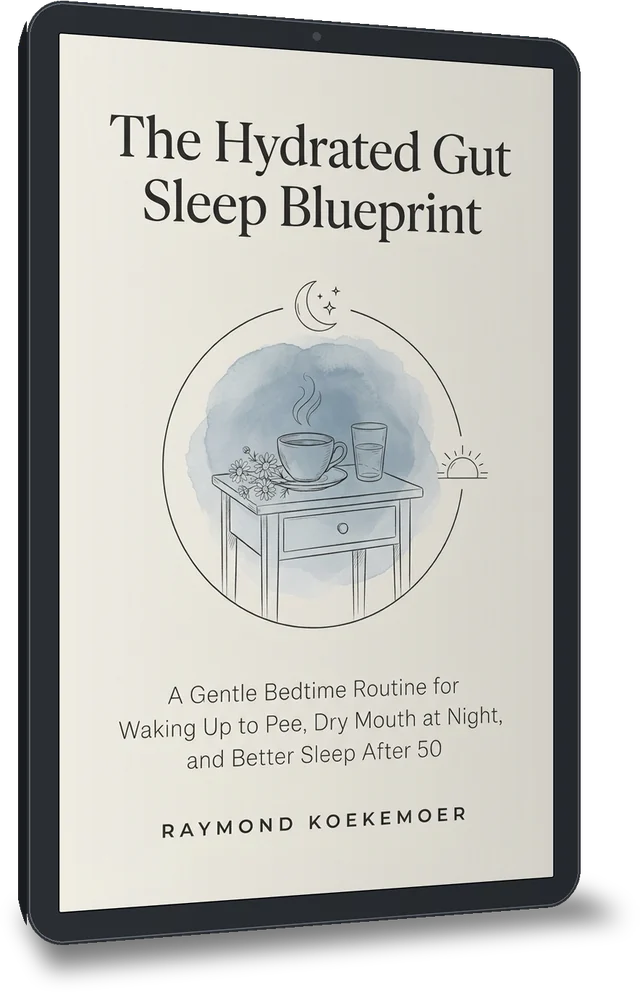
A short book about the evening: moving most fluids into the day, a lighter and warmer supper, a small warm cup after 8 PM, and a one-page weekly planner to see what your own nights do.
My upcoming book on stepping onto a skateboard for the first time at age 50: navigating the early reaction-time gap, choosing forgiving wheels for rough SA surfaces, and putting fun ahead of tricks.
Many skate shops cater mainly to teenagers riding rock-hard street wheels on smooth plazas. We are putting together a small, sensible range of adult-proportioned skate hardware suited to South African tar, paving, and local parks.
Chosen for South African tar, brick paths, and older concrete parks—softer urethane wheels that roll smoothly over pebbles and rough patches with less chatter underfoot.
A wider, stable maple deck paired with supportive truck bushings suited to adult weight—giving you comfortable foot room while you build balance and board command.
Well-ventilated certified skate helmets and comfortable pads for adults who want to enjoy morning sessions while taking sensible precautions against falls.
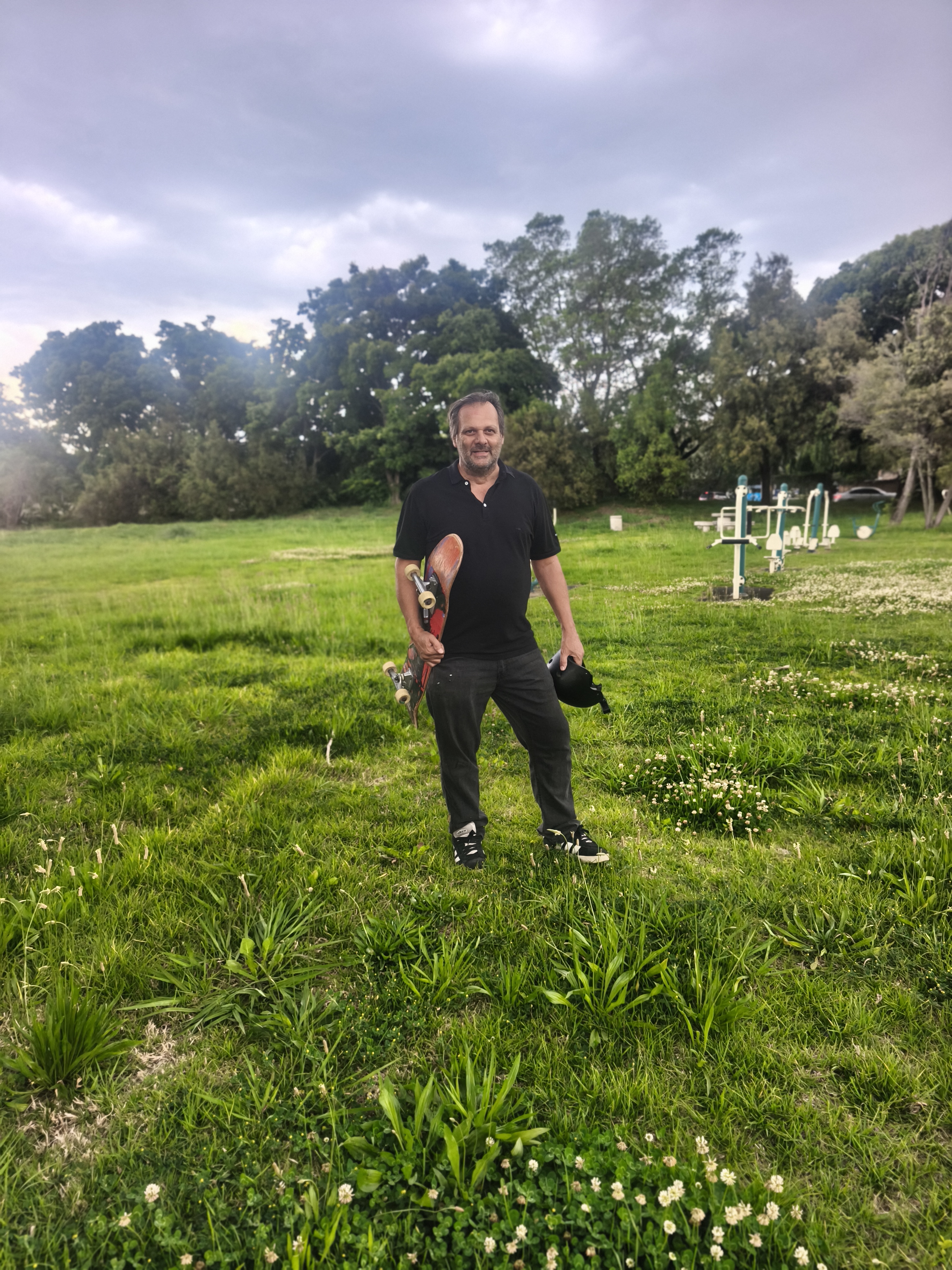
Early weekend mornings are the quietest time at South African skateparks—ideal for unhurried rolling, practising turns, and taking regular rests.
Every South African spot is different—from smooth skatepark concrete to brick-lined paths and sloped banks. Skaters are constantly judging surface grip, wheel limits, and their own honest boundaries in real time.
Read the full essay on why a skateboard is an instrument of strategy and focus rather than a child’s toy.
Read Essay: A Skateboard Is Not a Toy →