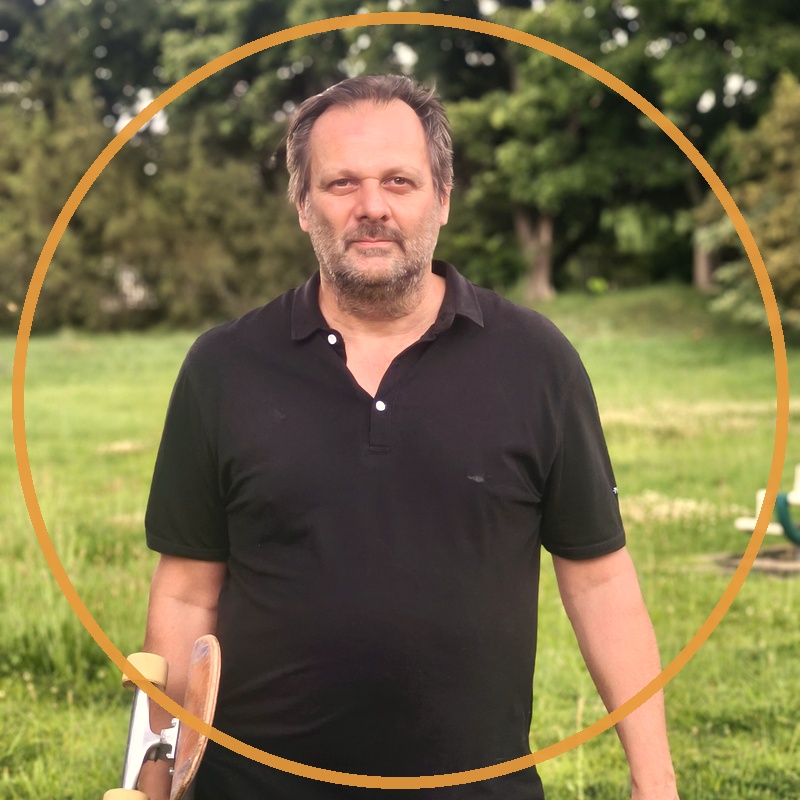
Stepping on a Board at 50: What I Noticed About Reaction Time and Patience
By Raymond Koekemoer • 6 minute read
When I stepped onto a skateboard for the first time at fifty, I had no childhood skateboarding history to fall back on. I hadn’t skated in the 1970s or 1980s. I was starting from zero.
Most people assume the hardest part of starting at fifty is courage, or perhaps knee strength. Those matter, of course. But what caught me by surprise in my very first month was something quieter: speed of reaction.
Walking Speed vs. Rolling Speed
In normal adult life, almost all of our balance happens at walking speed. When you step off a curb or walk across an uneven lawn, your feet, ankles, and eyes have plenty of time to talk to each other. You don’t have to think about it.
A skateboard changes the clock. Even at a gentle roll on flat concrete, a small pebble or a slight lean asks for an adjustment in a fraction of a second. Before your mind and your physical reflexes get used to that faster pace, skateboarding is much more dangerous than it looks.
Giving Small Muscles Time to Wake Up
The second thing I noticed was soreness in places I didn’t know had muscles. The arches of the feet, the front of the shins, the ankles, and the stabilizers around the hips do tiny, continuous work just to keep you centered over four wheels.
At first, fifteen or twenty minutes was enough to make my feet ache. It is easy to mistake that aching for a sign that you are "too old" for the board. In my experience, those muscles simply hadn’t been asked to work that way before. Giving them days to rest, staying well hydrated, and stopping a session before exhaustion sets in made all the difference.
Four Habits That Kept Me Rolling to 54
- Start with fun and board feel, not tricks. For me, skateboarding isn’t about chasing street tricks. It is about the simple pleasure of rolling, turning, and gradually feeling at home on the board. Command comes first; everything else grows out of that.
- Respect the early window. In the beginning—and during the first ten minutes of any session—your reflexes are still warming up. I wear a helmet and pads, and I take those first rolls slowly.
- Rest before you get sloppy. Tired legs react slowly. Taking a five-minute sit-down with a flask of water mid-session is not laziness; it is what lets you skate again tomorrow.
- Practise compassion. Learning a physical skill in your fifties takes longer than it does at fourteen. Being patient with your own pace removes the pressure that causes most people to quit—or push past their limits.